

 Battle Study Package: Gallipoli
The Failed Gallipoli Campaign
HISTORICAL SIGNIFICANCE
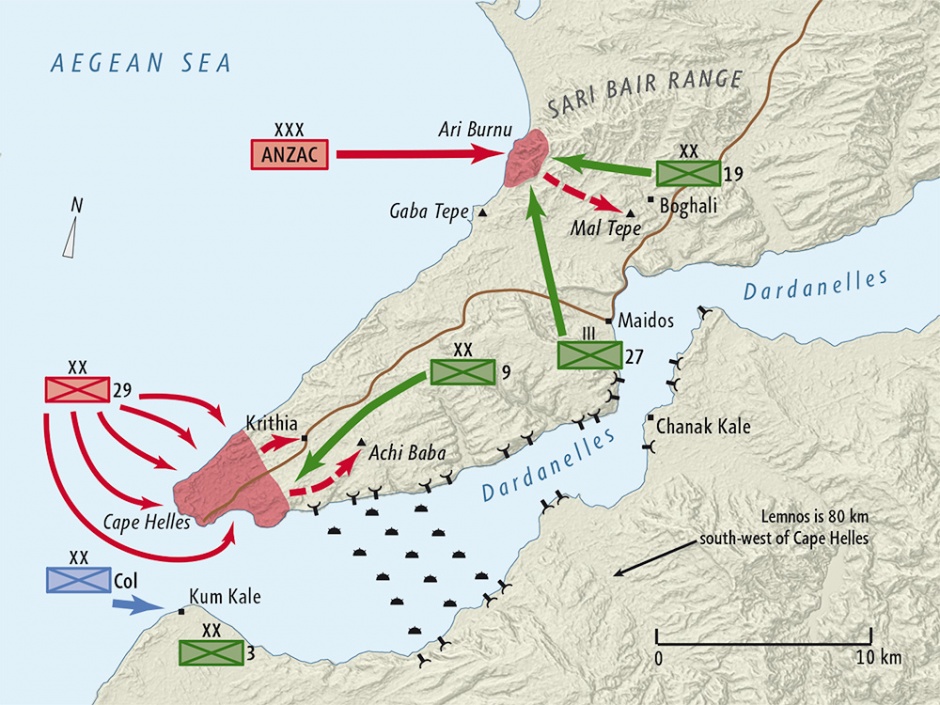
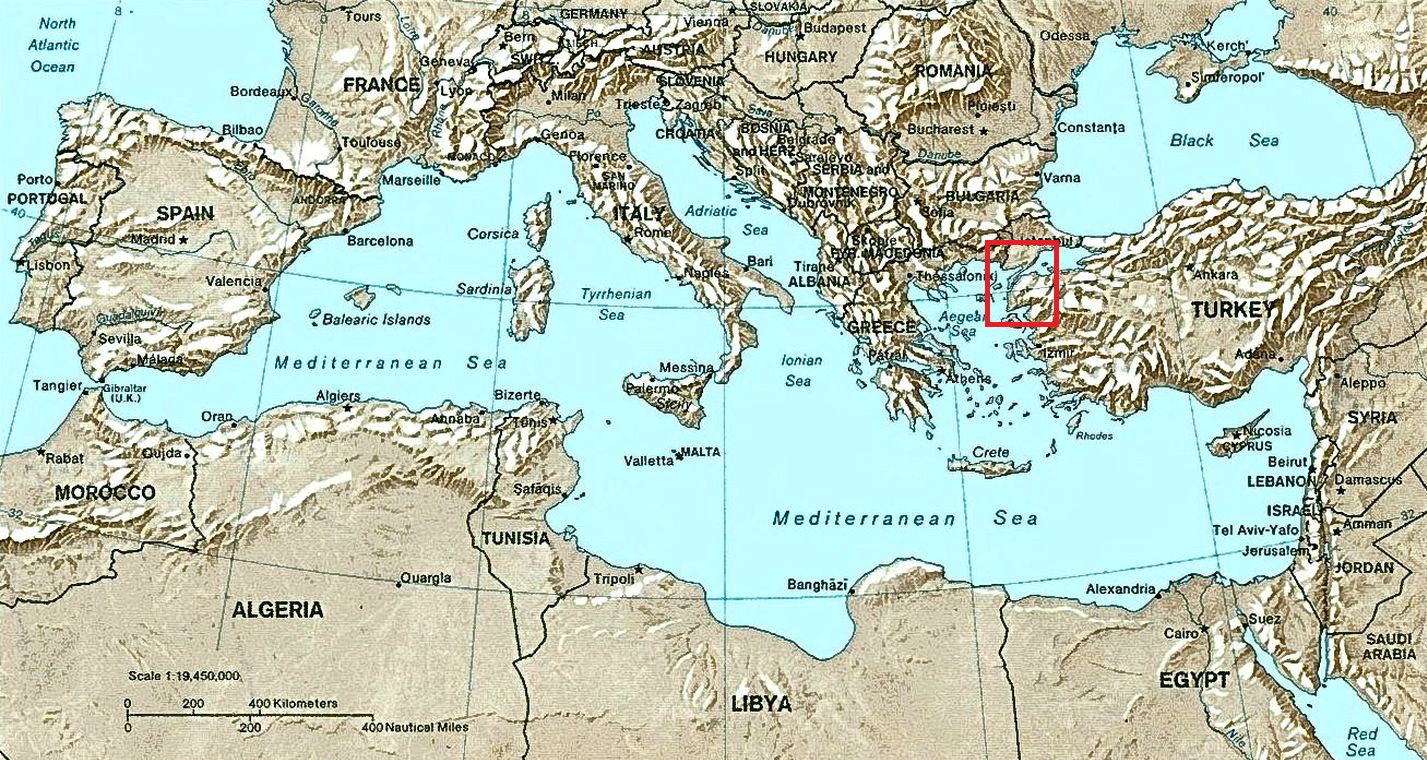
The Gallipoli campaign was the land-based element of a strategy intended to allow Allied ships to pass through the Dardanelles, capture Constantinople (now Istanbul) and ultimately knock Ottoman Turkey out of the war. A defeat for the British empire and the allies, it was a defining moment in the history of Turkey and formed the basis of the modern U.S. Marine Corps amphibious mission. Today, Gallipoli is the benchmark for the Marine Corps’ development of amphibious warfare doctrine prior to and during World War II.
TACTICAL IMPORTANCE
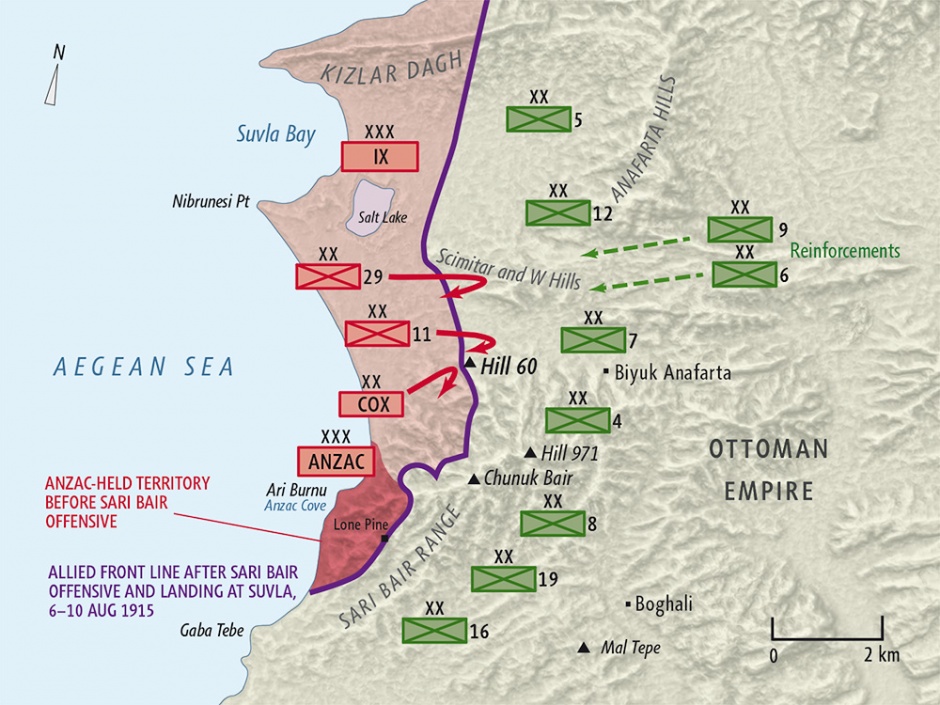
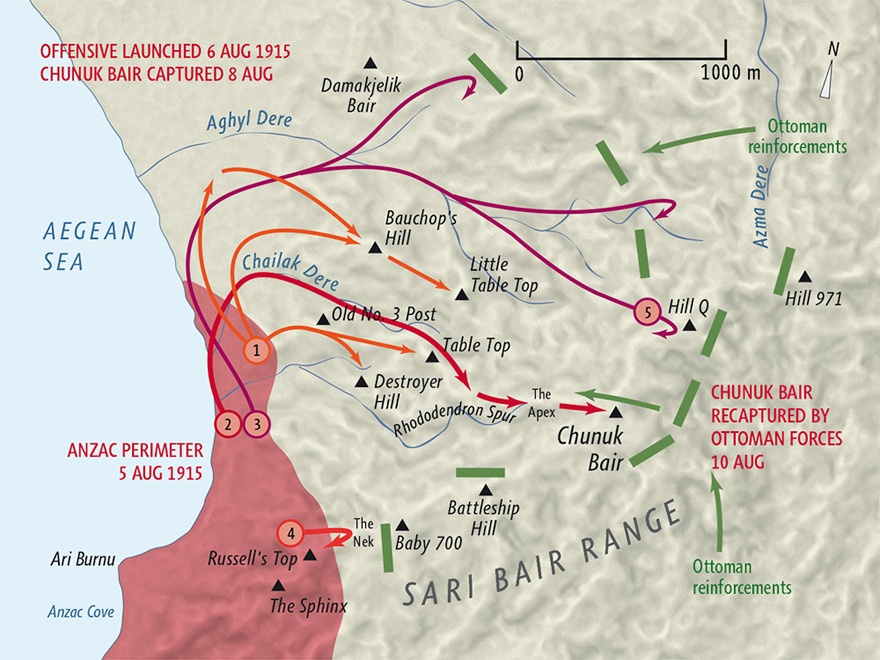
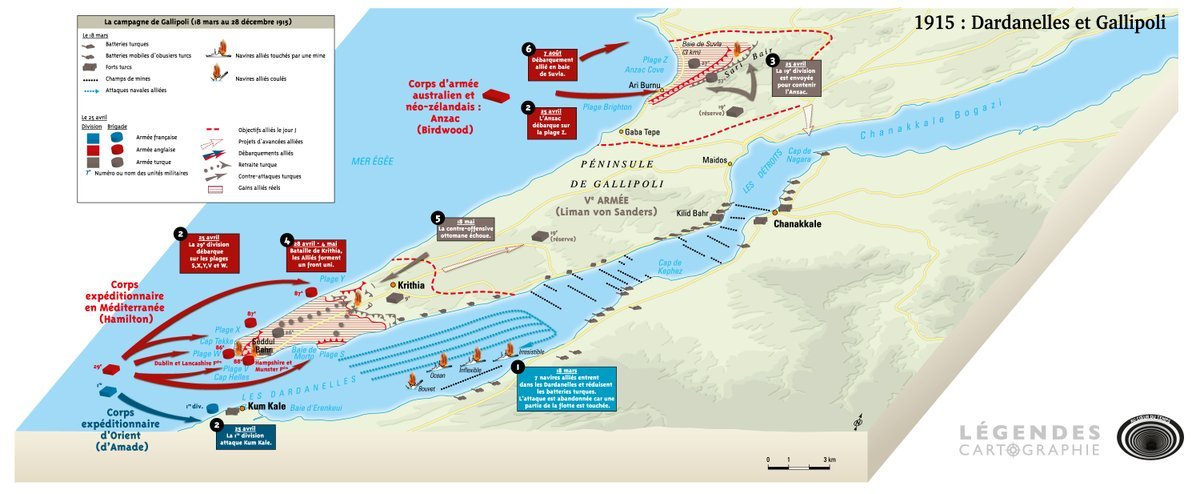
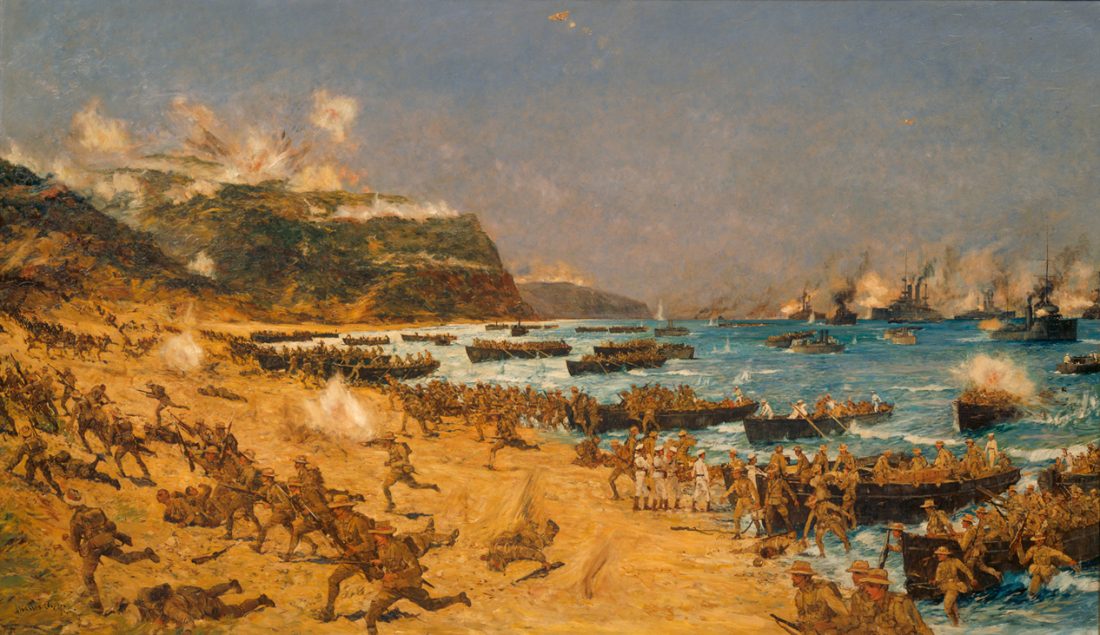
The Allies suffered from flawed assumptions at Gallipoli, which led first to an ill-advised, naval-only attack in the Dardanelles. Six weeks later, this time without the element of surprise, the Allies attacked again. The second round featured a larger naval fleet with an embarked landing force of five divisions. A series of amphibious landings over the next 8 months, however, failed to gain anything more than a foothold for the Allies. The decision to “dig-in” instead of withdrawal and a poor logistics plan cost the Allies time and manpower and prolonged the war.
STRATEGIC IMPACT
The Allies lacked the means to achieve the desired ends in the Dardanelles, particularly in the command and control, doctrinal, training, and manpower realms. The Allies ultimately failed in their attempt to seize the Dardanelles, force Constantinople’s surrender, and open a link with their Russian ally. In the final analysis, a flawed strategy, poorly executed, did not achieve Allied ends.
Maps