


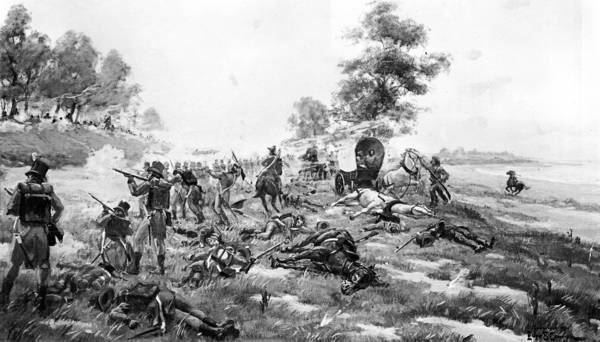
 Fort Dearborn
Historical Significance
While the Battle of Fort Dearborn was a resounding victory for the Potawatomi forces, it heralded then end of Indian autonomy in the region. The shocking defeat convinced American leaders to pursue a policy of Indian removal—forcing the tribes in the region to move further west.
Tactical Importance
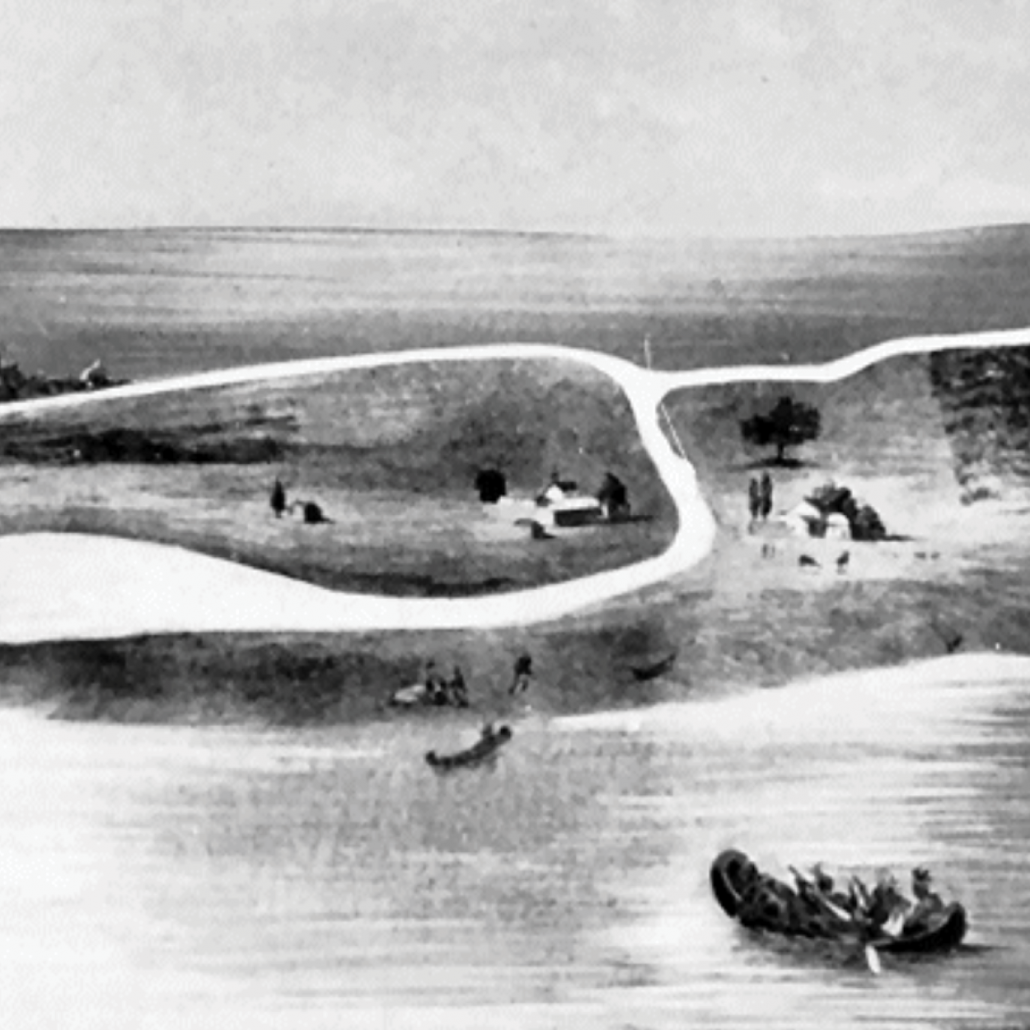
Constructed in 1803, Fort Dearborn overlooks the southern side of the Chicago River in what is now downtown Chicago. At the time, the fort was located in what was considered the wilderness between the American territory and British-held Canada. Within the decade after the fort’s construction, Britain—who viewed the Indian tribes as a buffer between themselves and the United States—armed the local tribes and encouraged raids against encroaching settlements. This, among other issues, rapidly deteriorated the relationship between Britain and the United States, leading to a declaration of war on 18 June 1812. A month later, British forces captured nearby Fort Mackinac, prompting a decision by American commanders to evacuate Fort Dearborn.
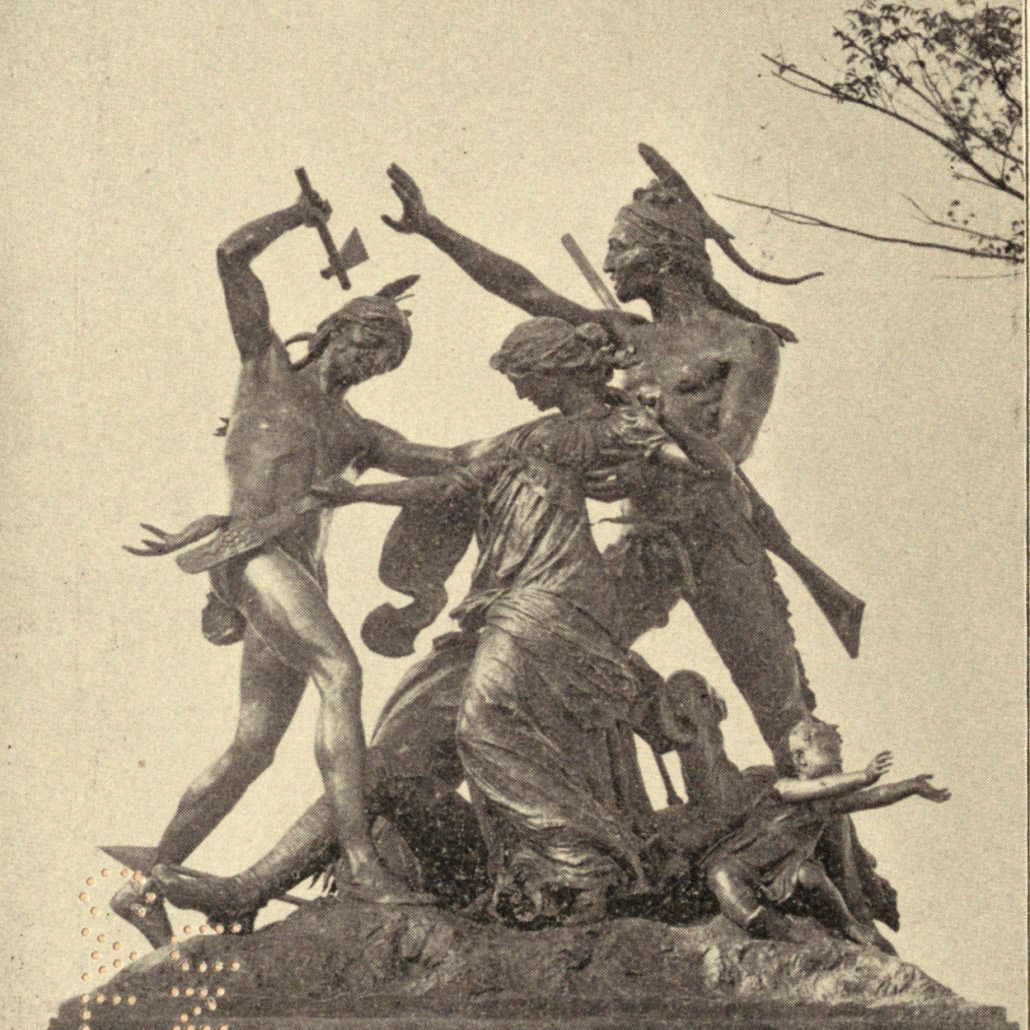
The orders came through nearby Fort Wayne, where Capt William Wells assembled a force of around 30 Miami Indians to help escort the evacuees from Fort Dearborn. Upon reaching the fort on 13 August, the commander, Capt Nathan Heald, tried to negotiate a peaceful evacuation with the local Potawatomi Indians; however, no safe passage was assured. On 15 August, the evacuation party—including 66 armed men and 27 civilians—departed the fort. When the party had traveled slightly over one mile away, they were ambushed by a band of Potawatomi. The fighting force became separated from the wagon train, allowing the Indians to successfully attack the civilian contingent of the column. Capt Wells was killed while leading a counterattack, and Capt Hull’s forces managed to regroup on a nearby hilltop where they were forced to surrender. Over half of the soldiers and civilians were killed while Potawatomi casualties were comparatively light.
Strategic Impact
Following the destruction of the evacuation column, the Potawatomi destroyed Fort Dearborn and ransomed the surviving captives. The region remained void of U.S. settlers for the duration of the conflict. Unfortunately for the Potawatomi, when the war ended the Battle of Fort Dearborn was among the many reasons the U.S. Government pursued a policy of Indian removal within the territory.
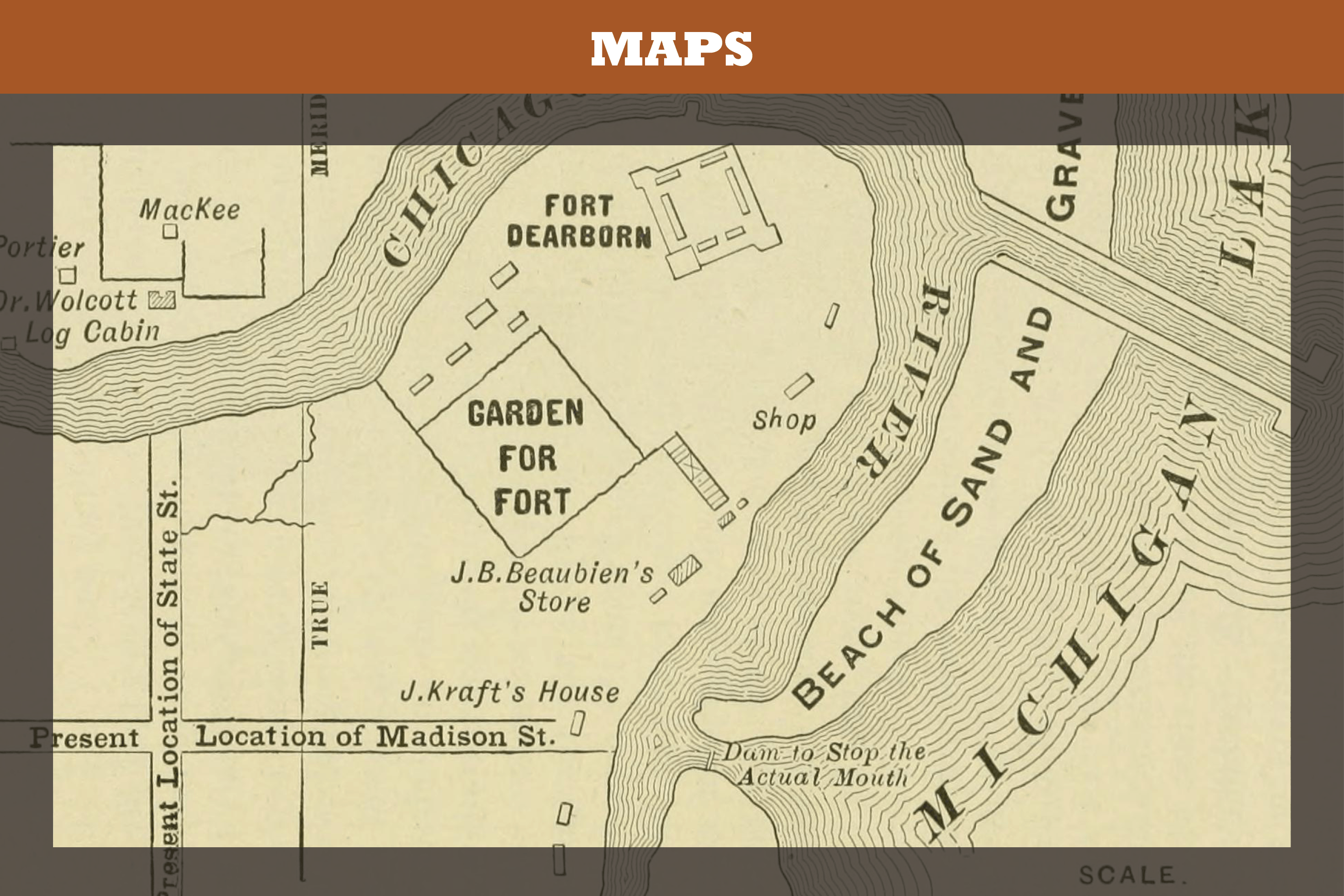
Maps
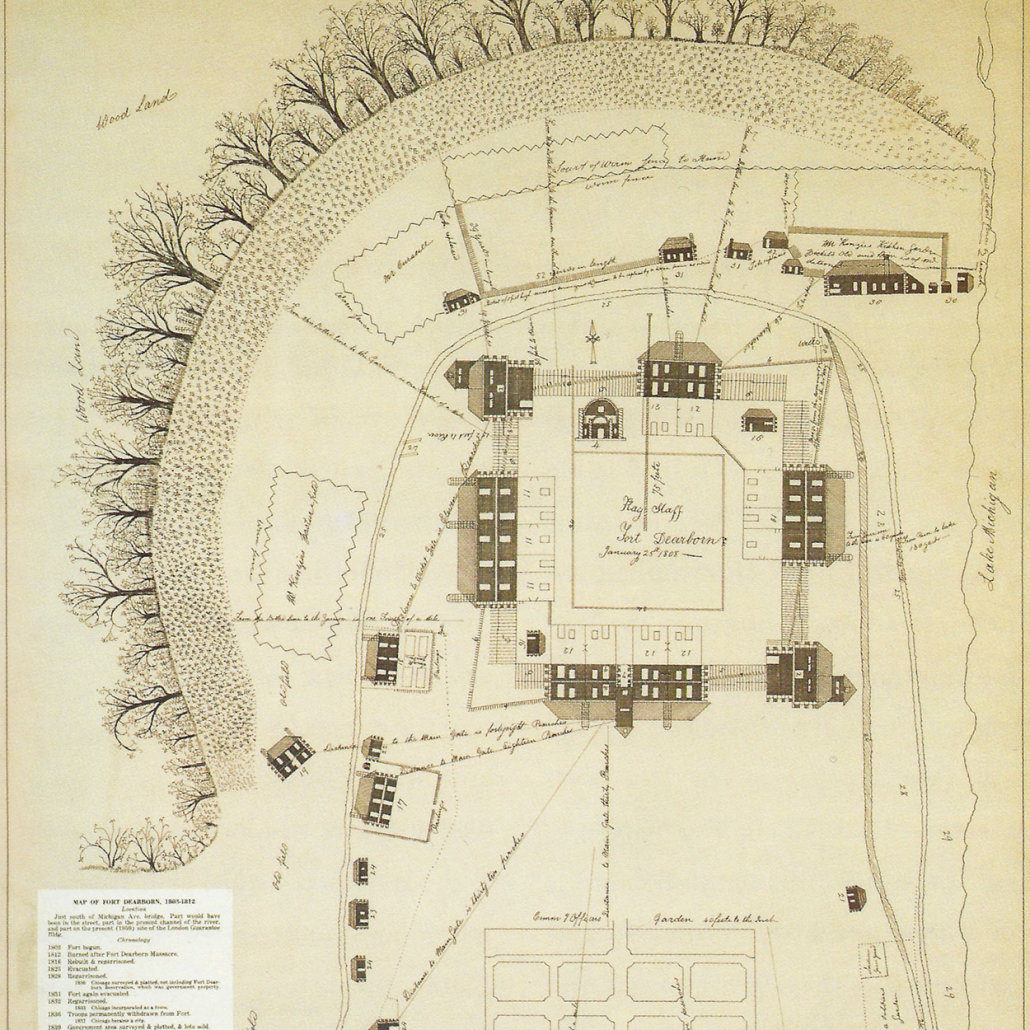
Plan of Fort Dearborn
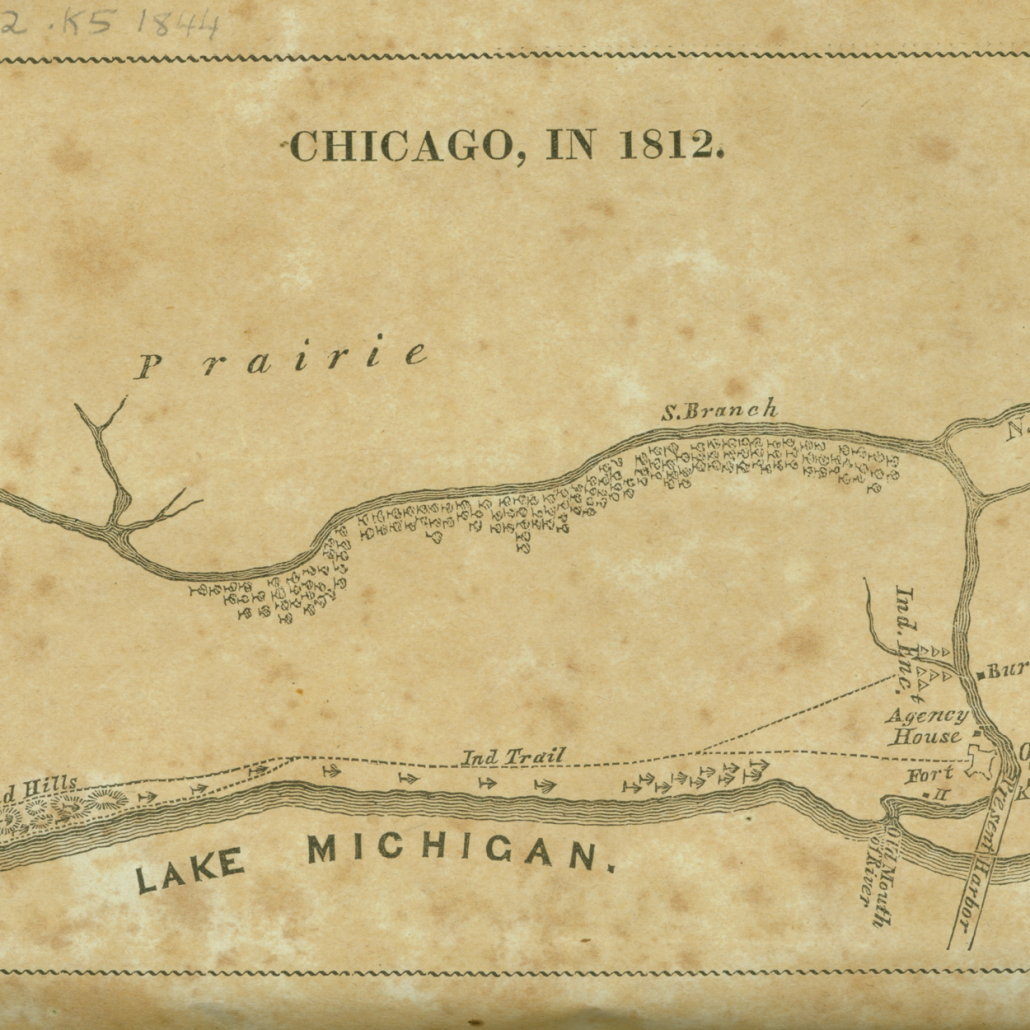
Chicago in 1812
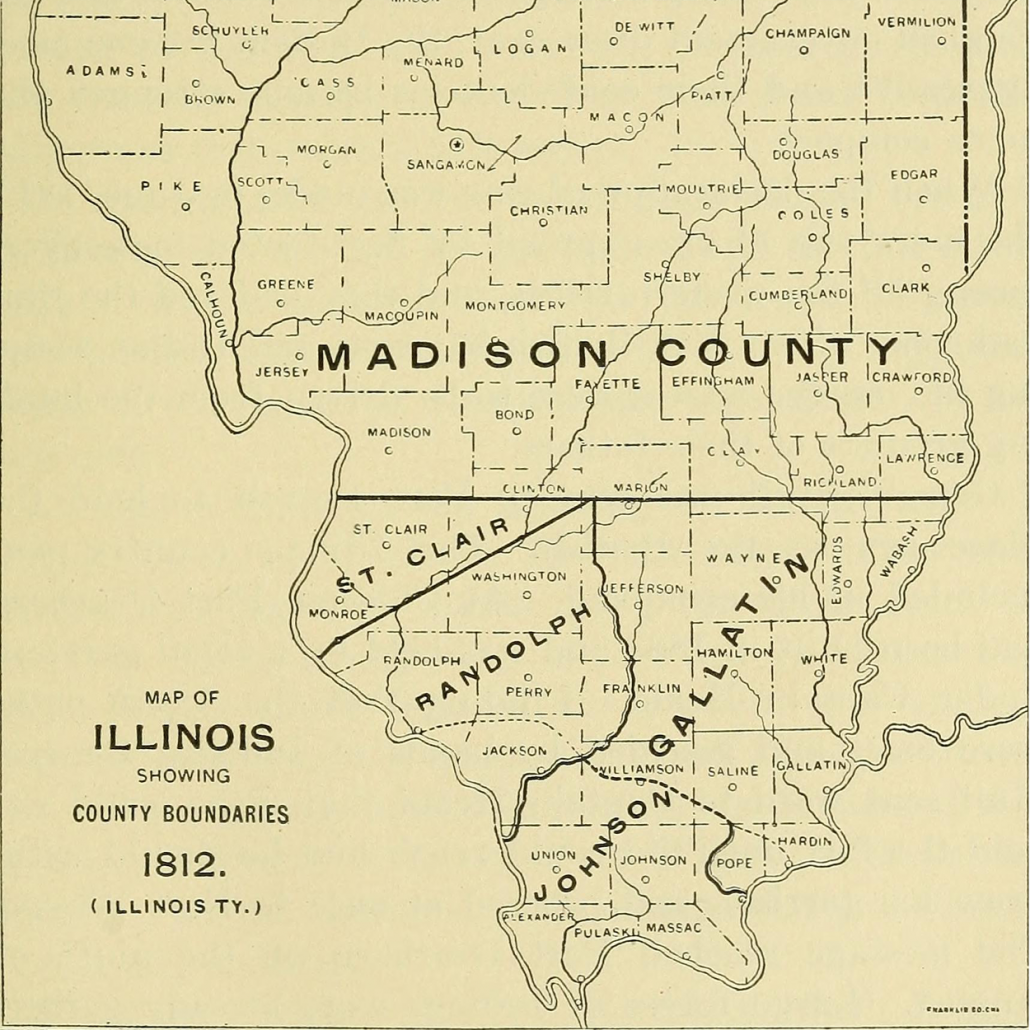
Map of Illinois Showing County Boundaries 1812
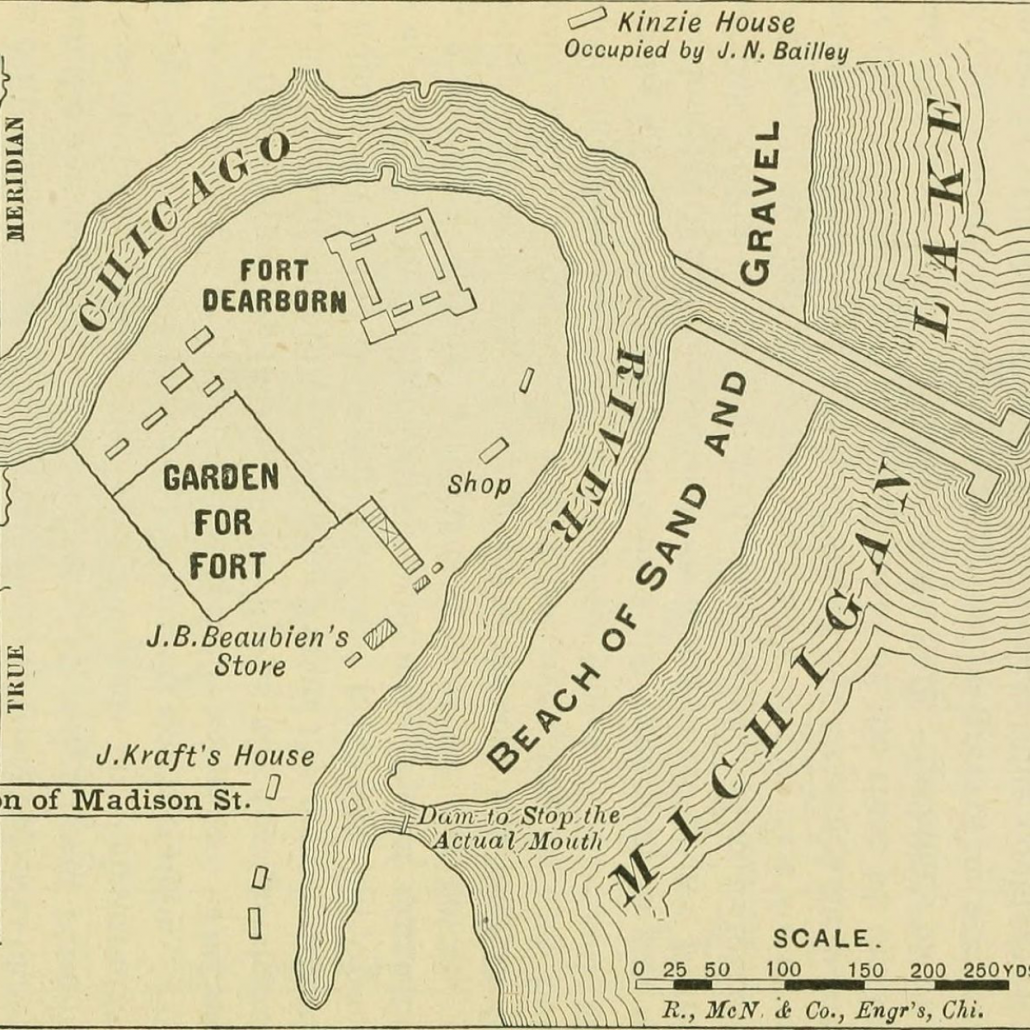
Rand McNally & Co.’s Handy Guide to Chicago
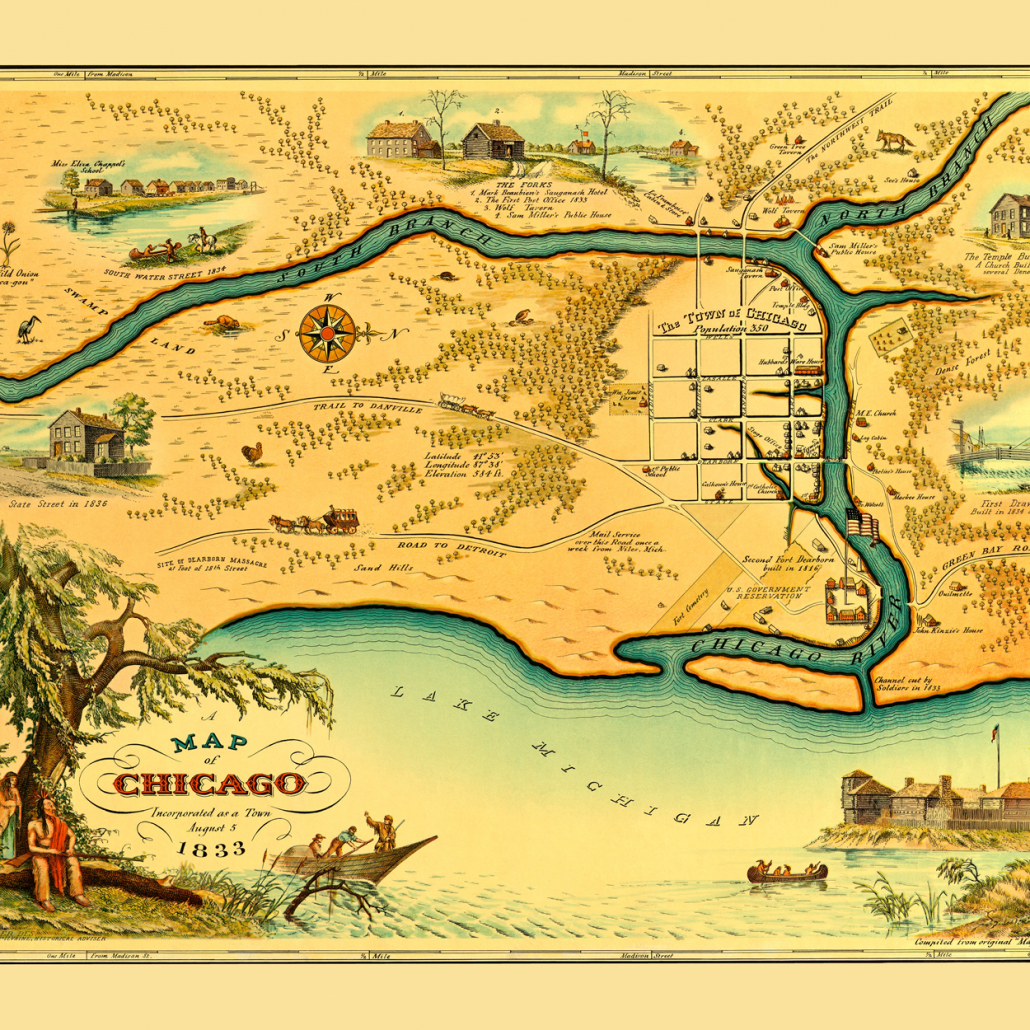
Map of Chicago 1833
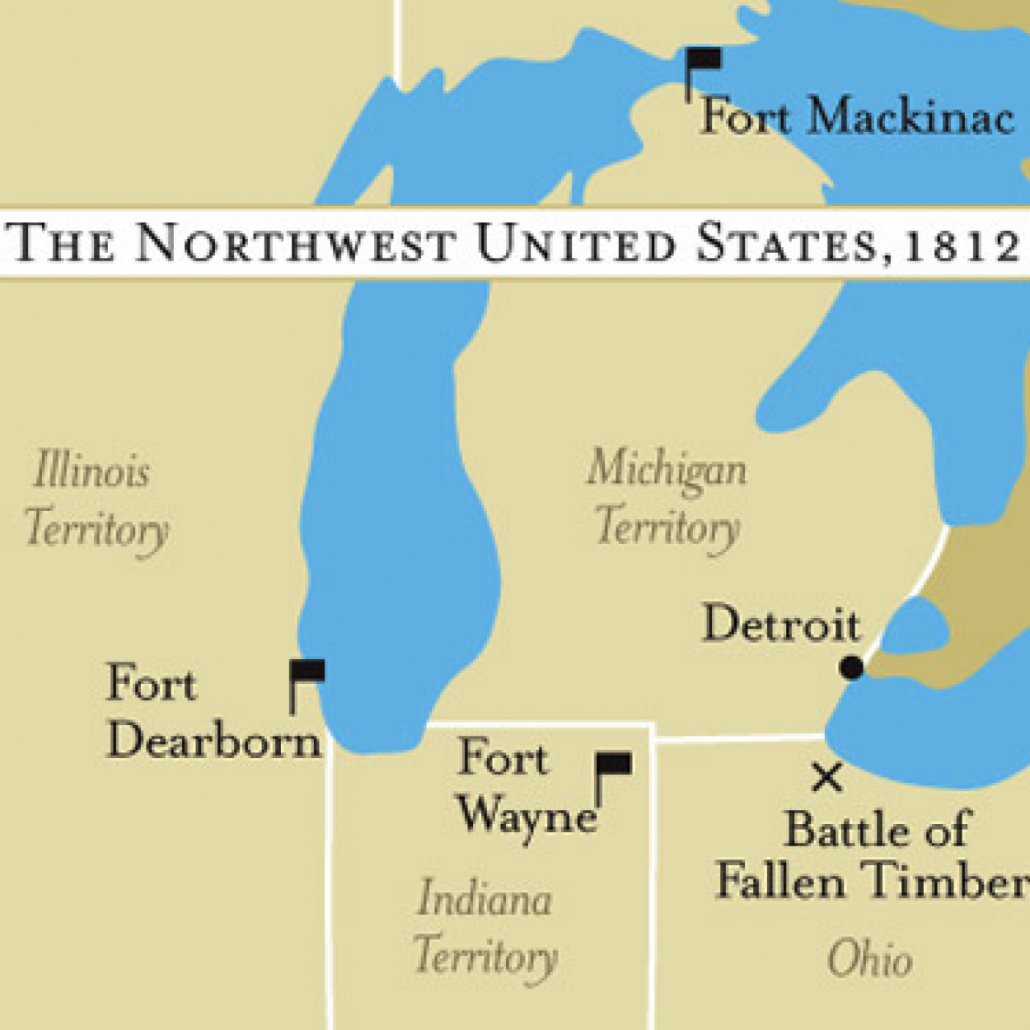
The Northwest United States 1812
Podcasts
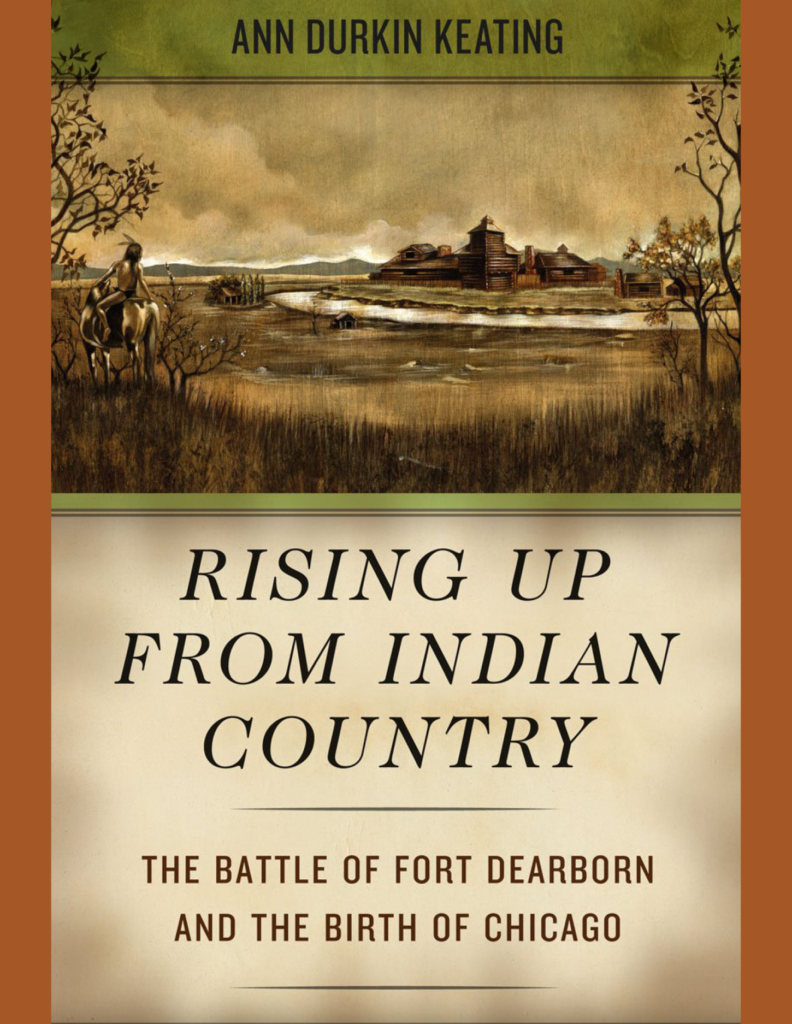
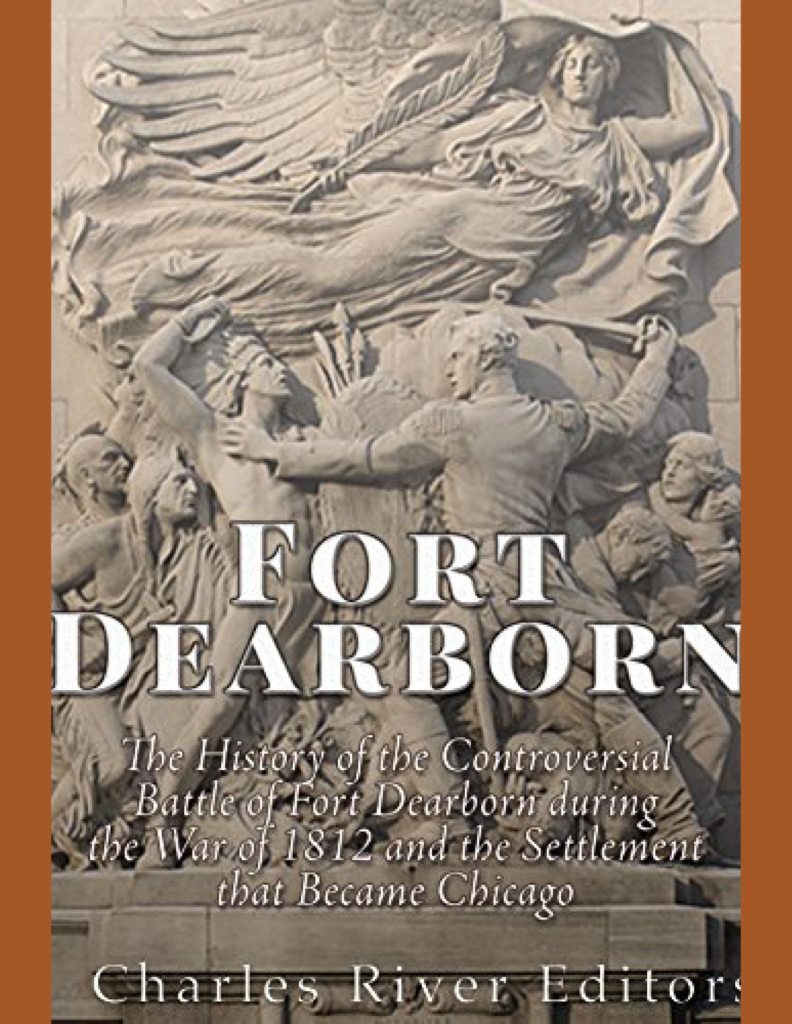
Books


Videos
Other Resources
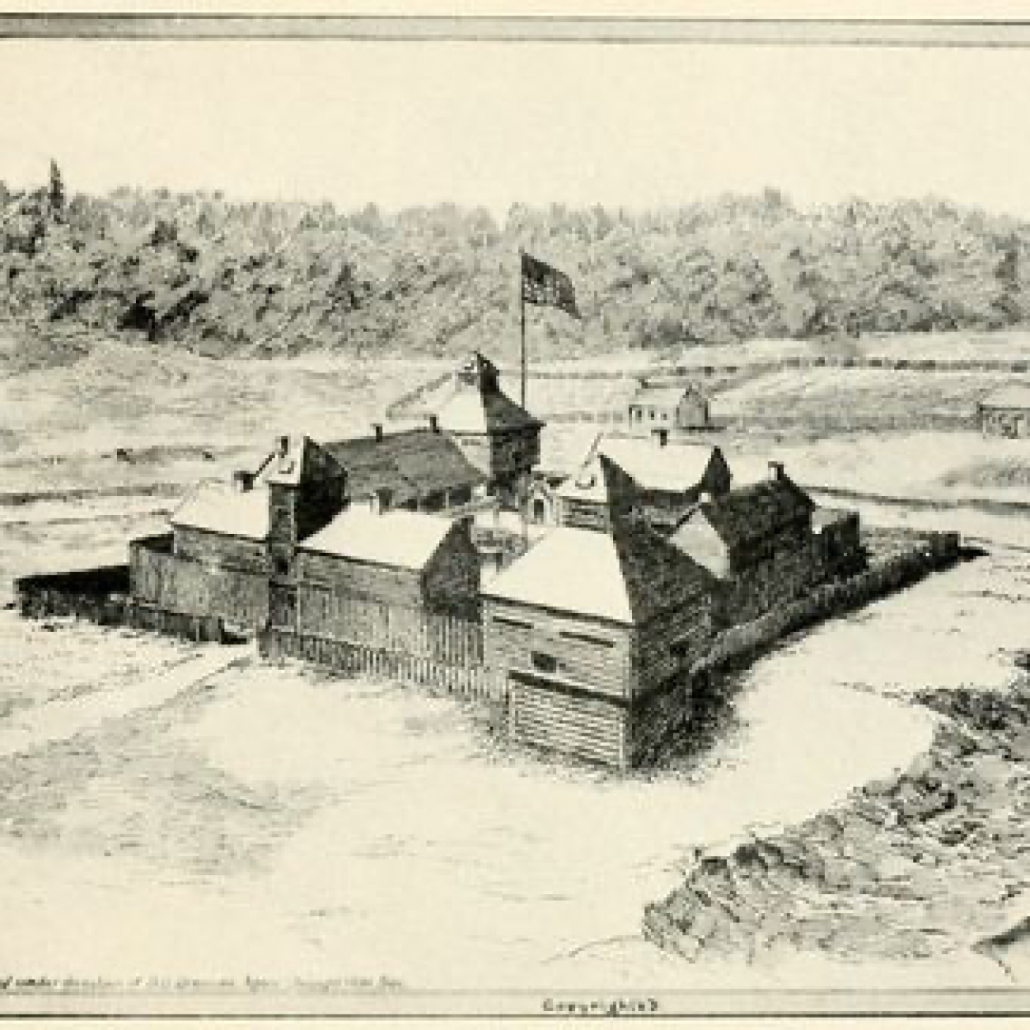
The Fort Dearborn Massacre
Lt Linai T. Helm
One of the Survivors
1814
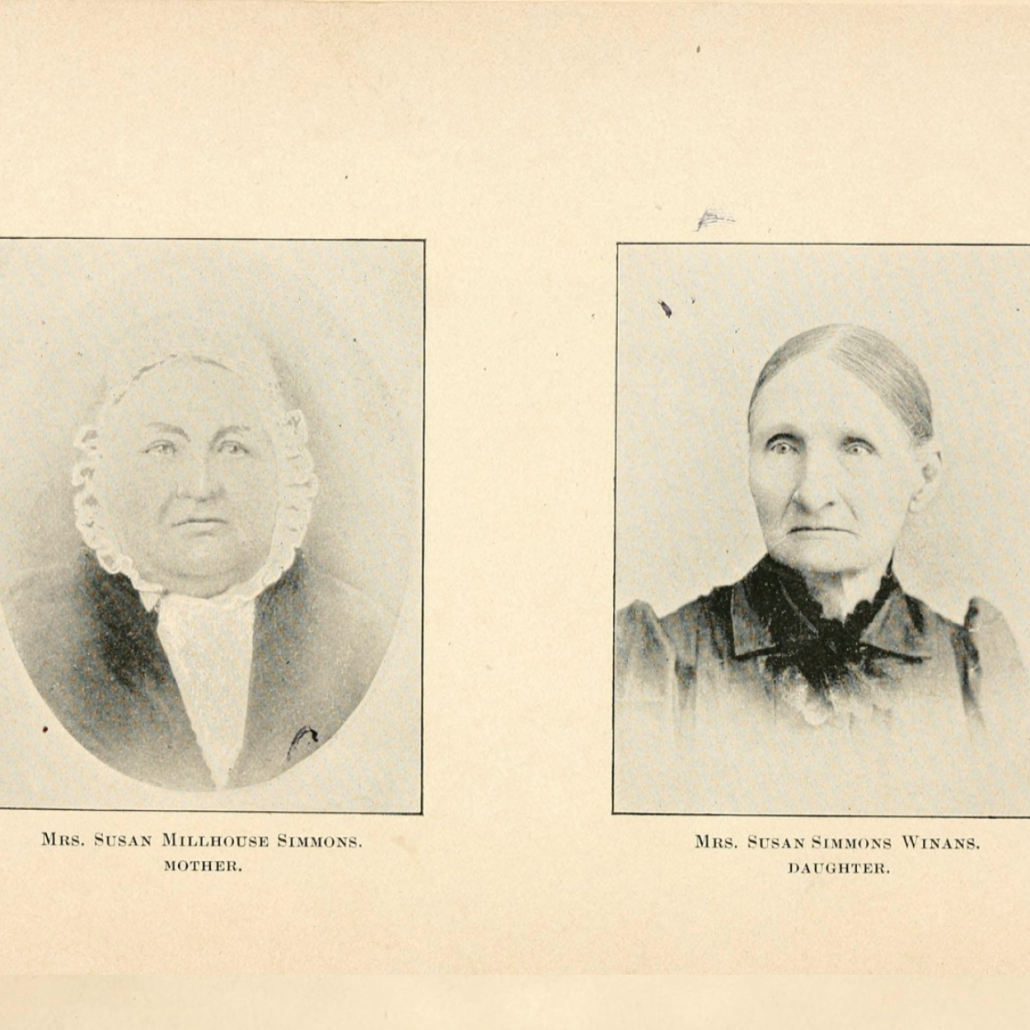
Heroes and Heroines of the Fort Dearborn Massacre
N. Simmons, M.D.
July 1896
Lawrence, Kansas Journal Publishing Company
The Chicago Massacre 1812
Joseph Kirkland
1893
University of California
The Story of Old Fort Dearborn
J. Seymour Currey
August 1912
A.C. McClurg & Co.