

 Battle of Tarawa
Tarawa (20-23 November 1943)
Japanese Rear Admiral Keiji Shibasaki proclaimed, “A million men cannot take Tarawa in 100 years.” The Second Marine Division did it in four days.
Historical Significance
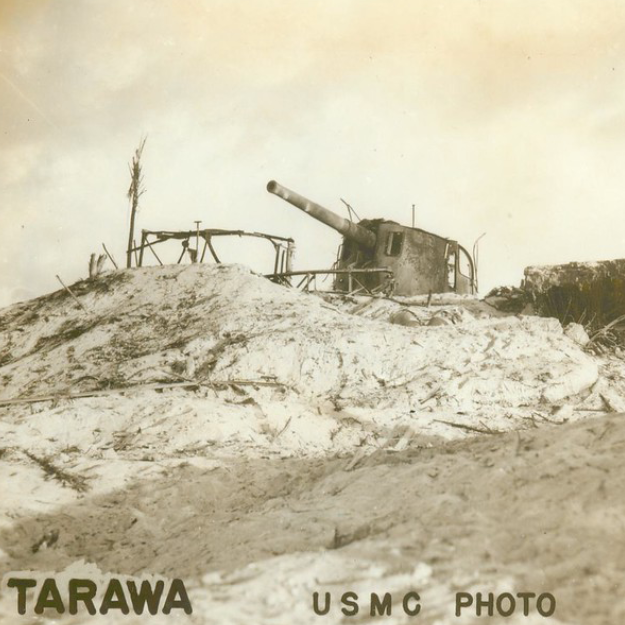
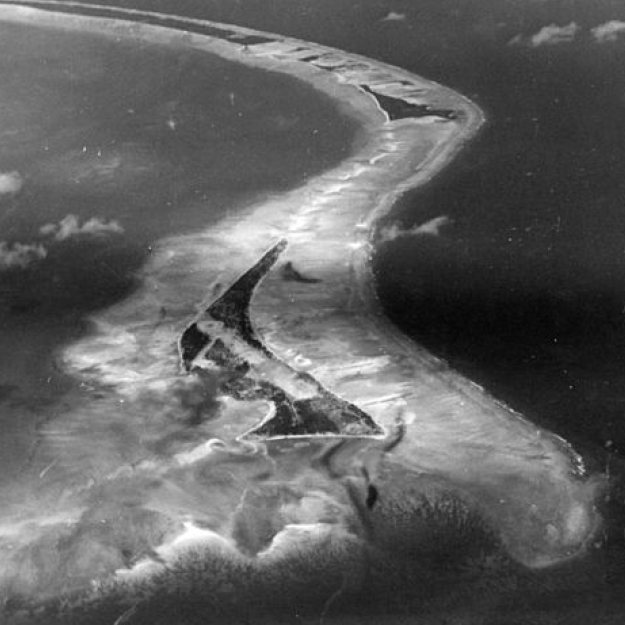
The Battle of Tarawa was one of the first battles in the Pacific War where the Japanese contested an amphibious landing; previous landings, such as Guadalcanal, faced minimal resistance as Marines landed ashore. However, on the tiny Betio Island in the Tarawa Atoll, the well-fortified Japanese maintained stiff resistance against the Marine landings. Despite the strong Japanese fortifications, which took nearly a year to construct, it took the Marines of the 2nd Marine Division 76 hours to secure the island.
Tactical Importance
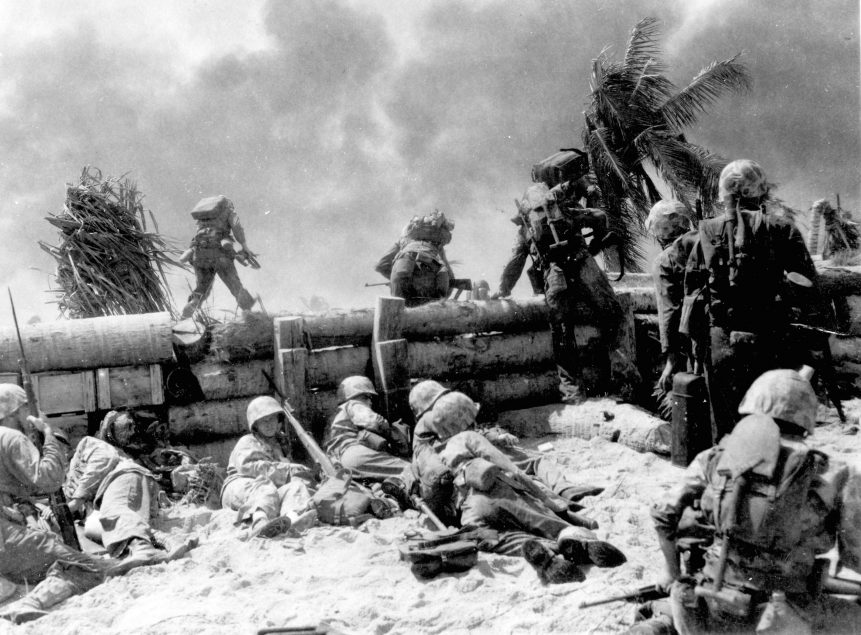
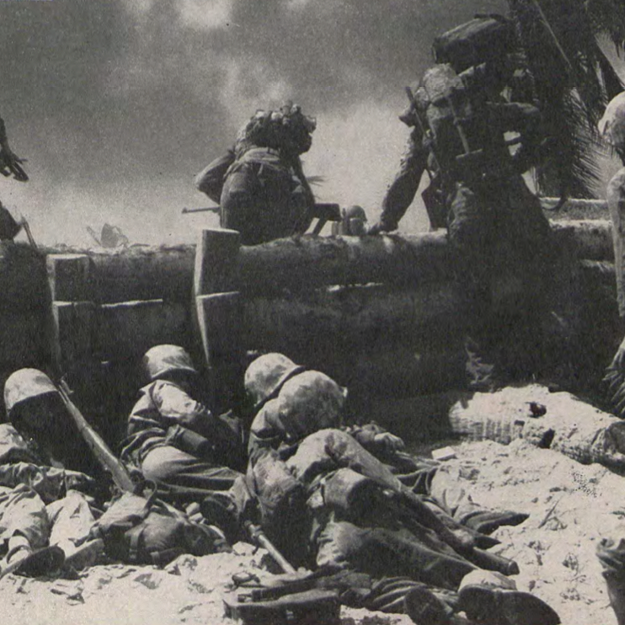
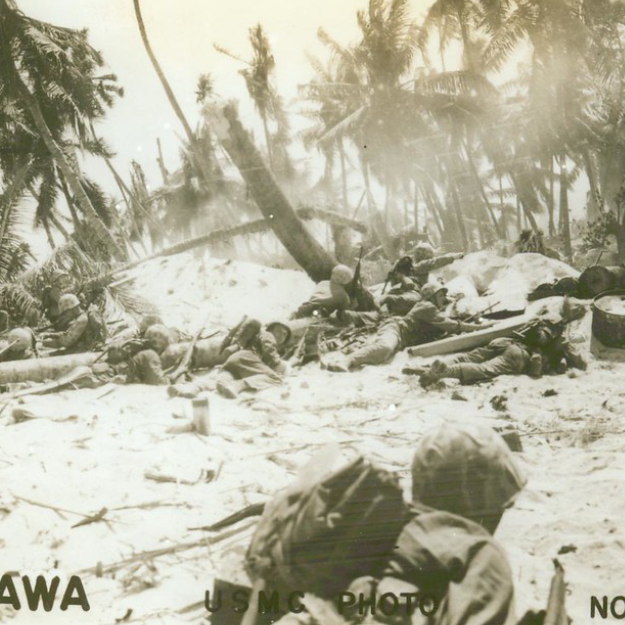
On the morning of 20 November, the Battle of Tarawa began with a preliminary naval bombardment, which was followed by an air attack, before the Navy initiated their final bombardment. The Marines began their landing around 900; however, because of poor planning, many of their landing craft were unable to reach the shore as the tide was not high enough, forcing many Marines to wade ashore. Compounding this problem, the extra time it took to get ashore allowed the Japanese to recover from the bombardment and shift forces to counter the Marine landings. The Marines who were able to make it ashore took cover behind a sea wall and attempted to break past the Japanese’s first line of defense. By the end of the first day, the Marines had a slim beachhead and many feared that a Japanese counterattack would throw them back into the sea; however, the complete collapse of Japanese command, control, and communications prevented any concerted attack from materializing. Fighting was sporadic throughout the night, but on the next day, the Marines resumed the offensive—securing the western end of the island as well as part of the airfield. On 22 November, the Marines pressed the advance and managed to secure the entire airfield, thus forcing the Japanese into several smaller pockets of resistance to both the east and west of the landing strip. Throughout the night and into the early morning of 23 November, the Japanese launched several unsuccessful banzai charges, all of which were beaten back. The Marines spent the rest of the morning and early afternoon of the 23rd eliminating the remaining Japanese pockets of resistance, thus ending the Battle of Tarawa. The costs for securing the island were staggering, with the Marines suffering over 3,000 total casualties compared to over 4,600 suffered by the Japanese—almost their entire force (the Japanese casualties include construction laborers—half of whom were Korean).
Strategic Impact
: The American strategic plan for the Pacific involved securing several island chains to support operations against Japan and the Philippines. The first major island chain to be secured was the Marshalls; however, a small garrison and airbase on the island of Betio in the Gilberts stood in the way. Despite controversy behind the high number of American casualties, the Battle of Tarawa provided the United States with a base of operations and airstrip from which to launch an invasion of the Marshall Islands. Furthermore, the lessons learned at Tarawa—specifically in regard to understanding tidal changes, applying appropriate landing craft, and ensuring better coordination—would help the Navy-Marine Corps efforts in future landings.
Related Articles
The Marine Corps Gazette and Leatherneck Magazine archives have more than 100 years of articles. Click the buttons below to read articles about the Battle of Tarawa and its implications on the Corps, yesterday and today.
Tarawa Bombardment
MSgt Roger M. Emmons
Gazette
March 1948
Tarawa – Lest We Forget
LtCol Richard G. Brown
Gazette
November 1980
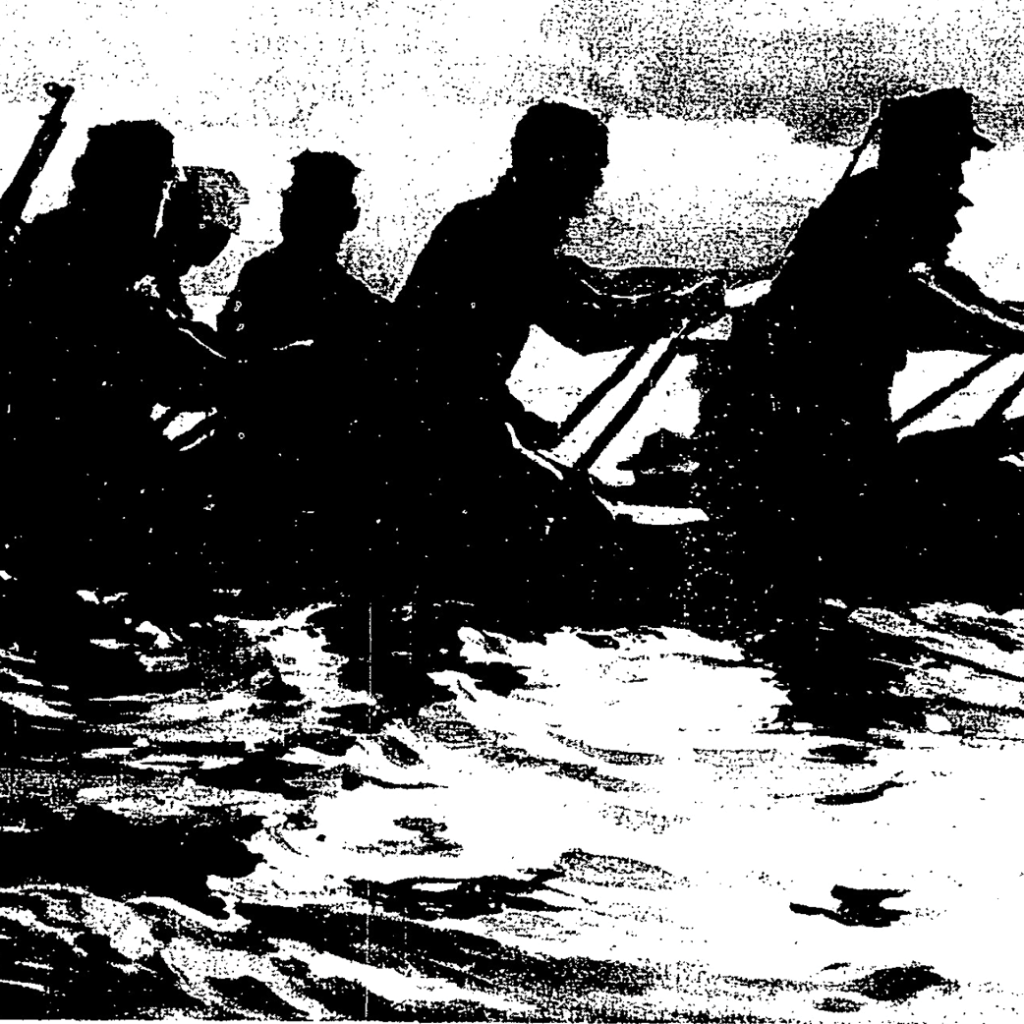
Reconnaissance at Tarawa Atoll
J. Frederick Haley
Gazette
November 1980
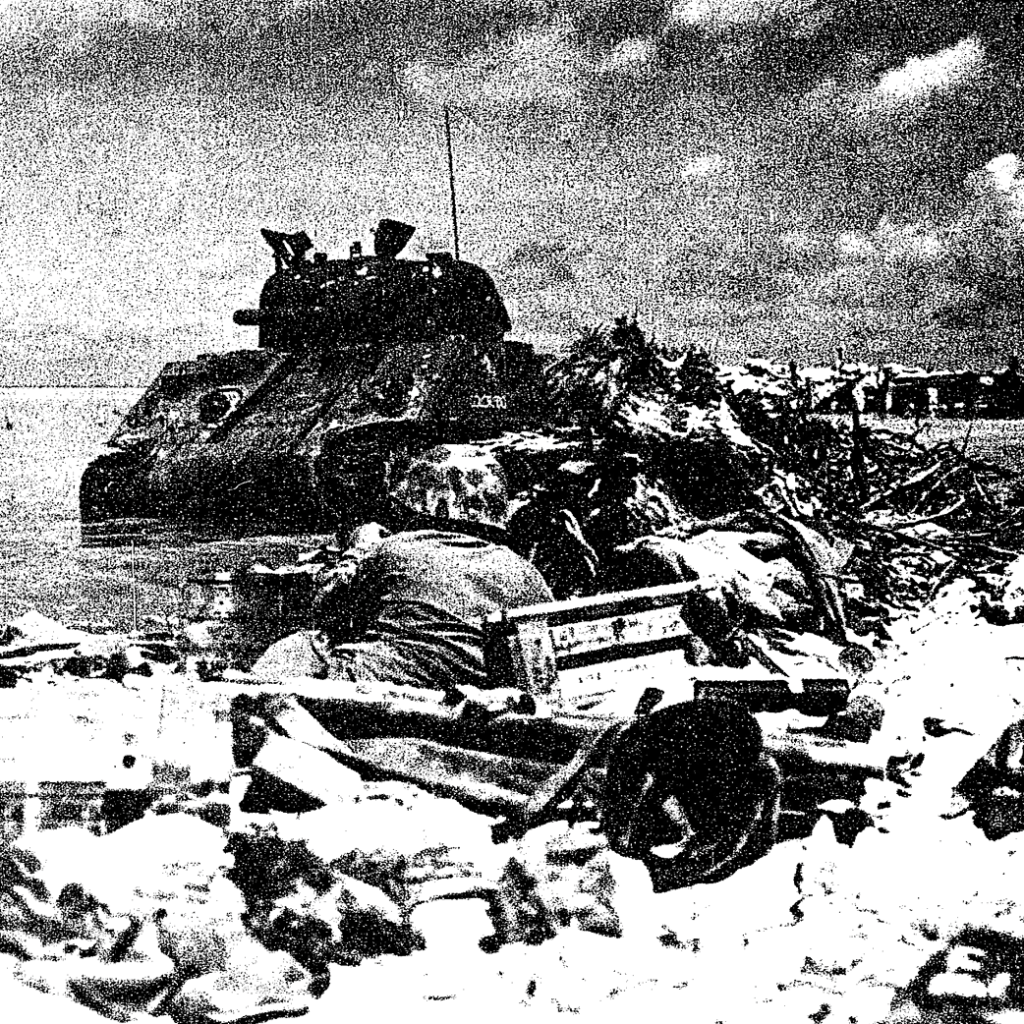
Baptism by Fire: Sherman Tanks at Tarawa
Col Joseph H. Alexander, USMC (Ret)
Leatherneck
November 1993
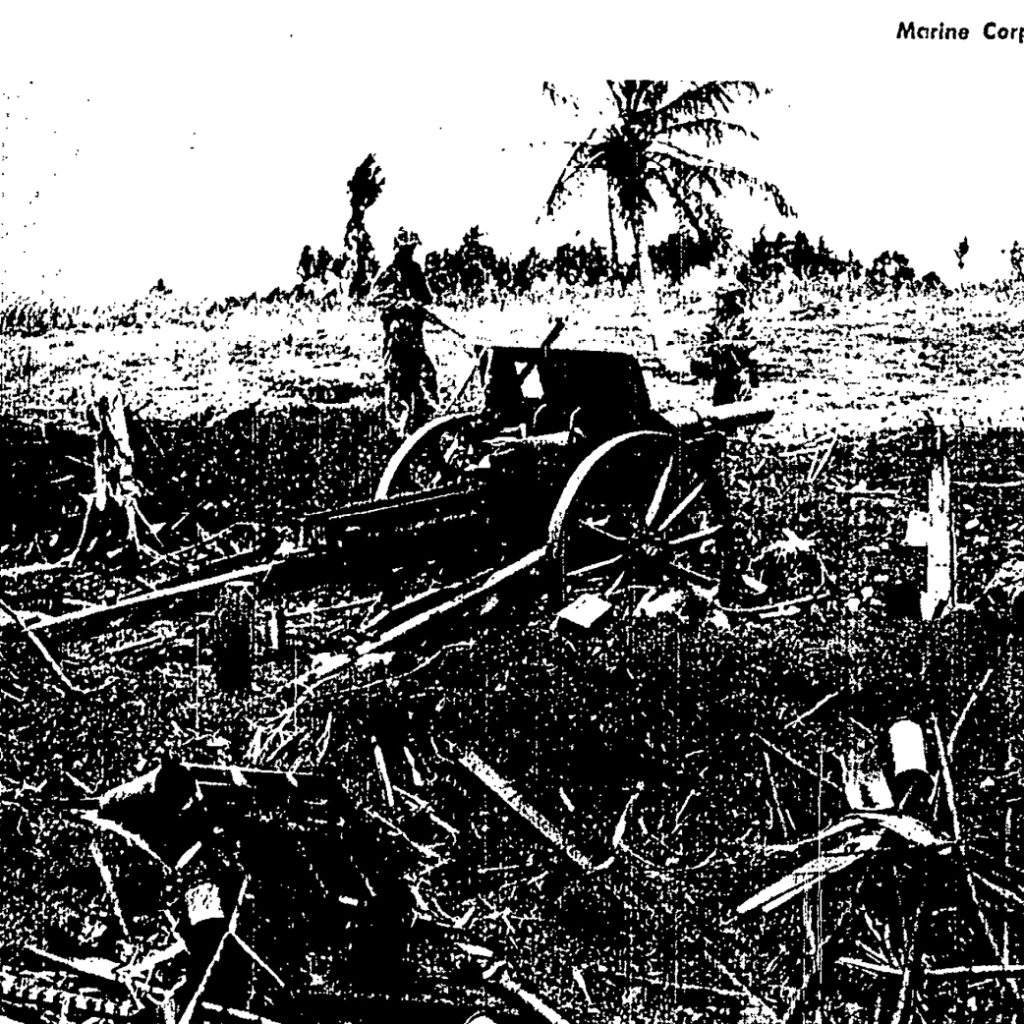
Artillery at Tarawa
LtCol P.M. Rixey and Maj Wendell H. Best
Gazette
November 1944
This Was Tarawa
Col Clyde H. Metcalf, USMC
Gazette
May 1944
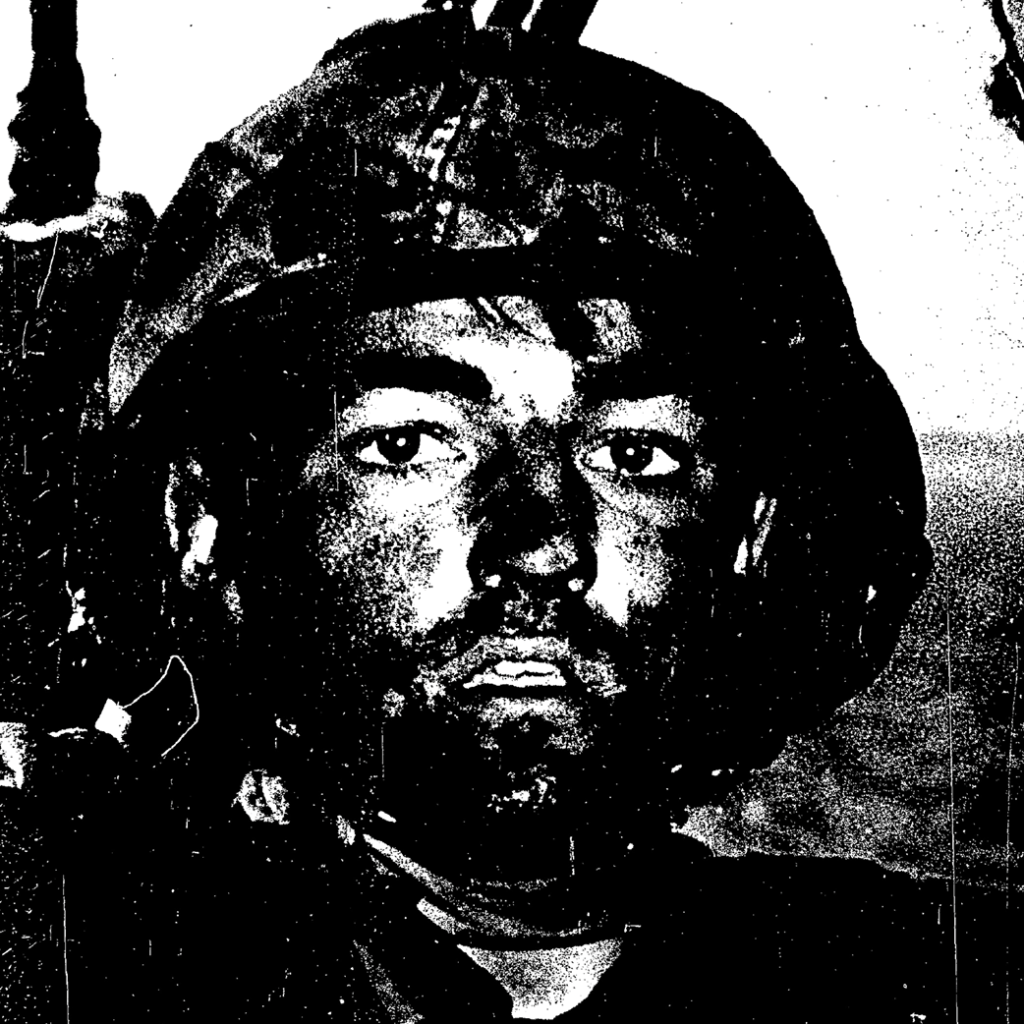
Tarawa: The Second Day
Robert Sherrod
Gazette
November 1973
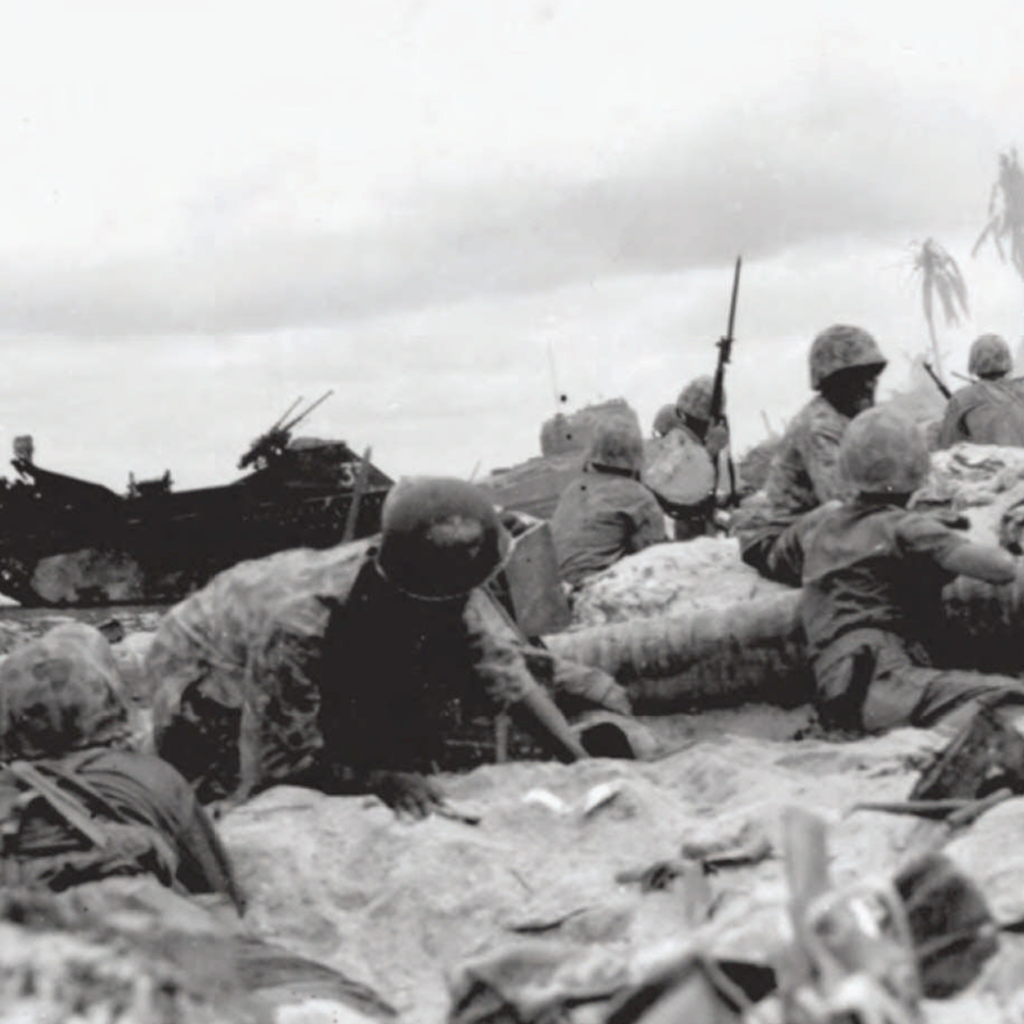
TARAWA: The Third Day on Red-3
Eric Hammel
Leatherneck
November 2018
Maps
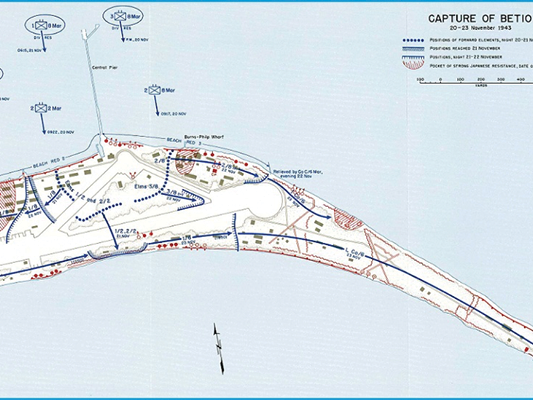
Capture of Betio 20-23 November 1943
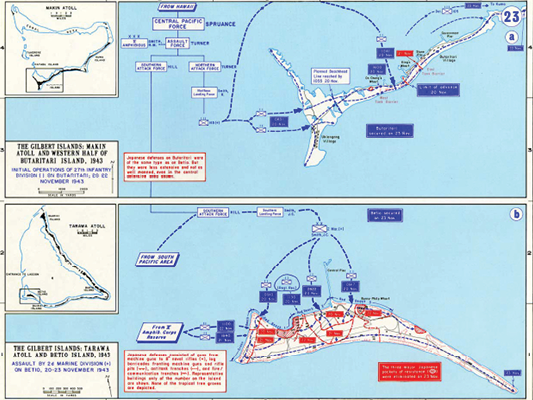
The Gilbert Islands: Makin Atoll and Western Half of Butaritari and Tarawa Atoll and Betio Island
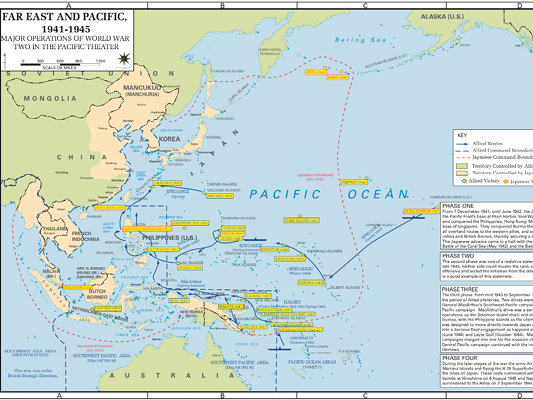
Far East and Pacific 1941 – 1945
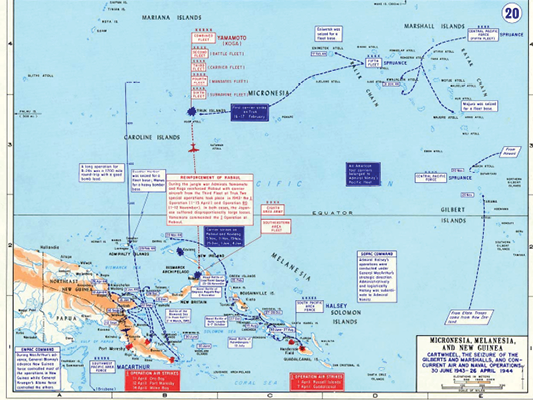
Micronesia, Melanesia, and New Guinea

Study Guide
Podcasts
Books
Videos
Other Resources
The Battle for Tarawa
Capt. James R. Stockman, USMC
Historical Section Division of Public Information Headquarters USMC
Tarawa Campaign
Collections Index
Archives Branch
Marine Corps History Division
Through Crimson Tides
Tarawa’s Effect on Military Tactics and Public Perception of War
Josh Hudak, Clemson University
Lessons from Tarawa and Their Relevance to the Operating Environment of 2011
Master of Military Studies Research Paper
LtCol Jeffrey J. Abramaitys, USMCR