

 READING LIST – MAJGEN MULLEN
FOR A BETTER UNDERSTANDING OF THE NECESSITY FOR MILITARY PROFESSIONALISM
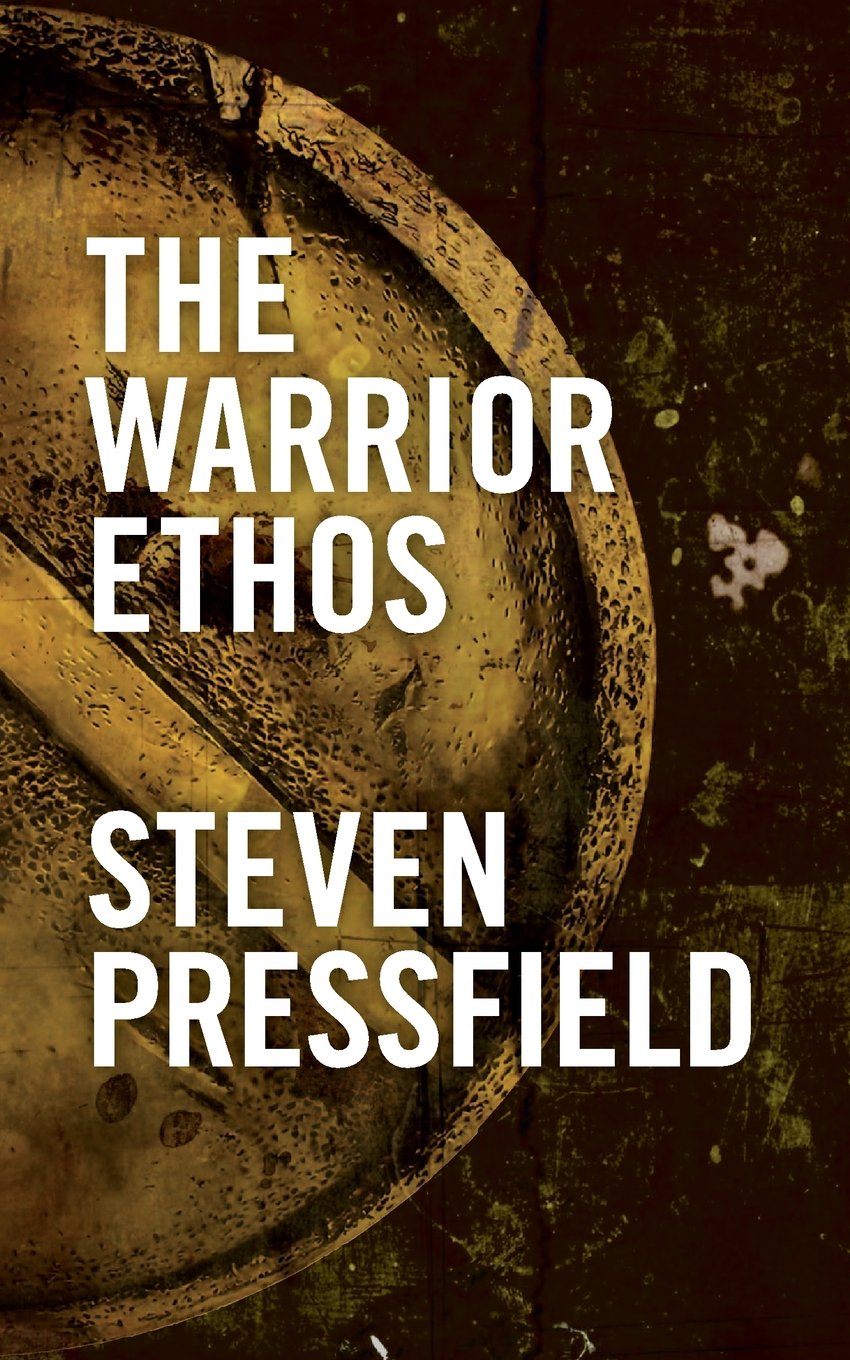
THE WARRIOR ETHOS
by Steven Pressfield
WARS CHANGE, WARRIORS DON’T
We are all warriors. Each of us struggles every day to define and defend our sense of purpose and integrity, to justify our existence on the planet and to understand, if only within our own hearts, who we are and what we believe in. Do we fight by a code? If so, what is it? What is the Warrior Ethos? Where did it come from? What form does it take today? How do we (and how can we) use it and be true to it in our internal and external lives?
The Warrior Ethos is intended not only for men and women in uniform, but artists, entrepreneurs and other warriors in other walks of life. The book examines the evolution of the warrior code of honor and “mental toughness.” It goes back to the ancient Spartans and Athenians, to Caesar’s Romans, Alexander’s Macedonians and the Persians of Cyrus the Great (not excluding the Garden of Eden and the primitive hunting band). Sources include Herodotus, Thucydides, Plutarch, Xenophon, Vegetius, Arrian and Curtius—and on down to Gen. George Patton, Field Marshal Erwin Rommel, and Israeli Minister of Defense, Moshe Dayan.
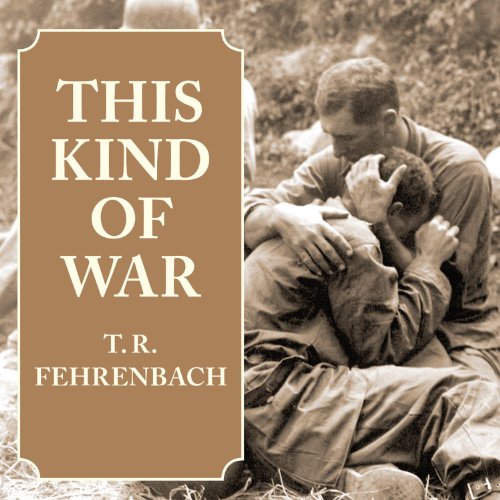
THIS KIND OF WAR
by T.R. Fehrenbach
This Kind of War is a monumental study of the conflict that began in June 1950. Successive generations of U.S. military officers have considered this book an indispensable part of their education. T. R. Fehrenbach’s narrative brings to life the harrowing and bloody battles that were fought up and down the Korean Peninsula.
Partly drawn from official records, operations journals, and histories, it is based largely on the compelling personal narratives of the small-unit commanders and their troops. Unlike any other work on the Korean War, it provides a clear, panoramic view; sharp insight into the successes and failures of U.S. forces; and a riveting account of fierce clashes between U.N. troops and the North Korean and Chinese communist invaders.
The lessons that Colonel Fehrenbach identifies still resonate. Severe peacetime budget cuts after World War II left the U.S. military a shadow of its former self. The terrible lesson of Korea was that to send into action troops trained for nothing but “serving a hitch” in some quiet billet was an almost criminal act. Throwing these ill-trained and poorly equipped troops into the heat of battle resulted in the war’s early routs. The United States was simply unprepared for war. As we enter a new century with Americans and North Koreans continuing to face each other across the 38th parallel, we would do well to remember the price we paid during the Korean War.
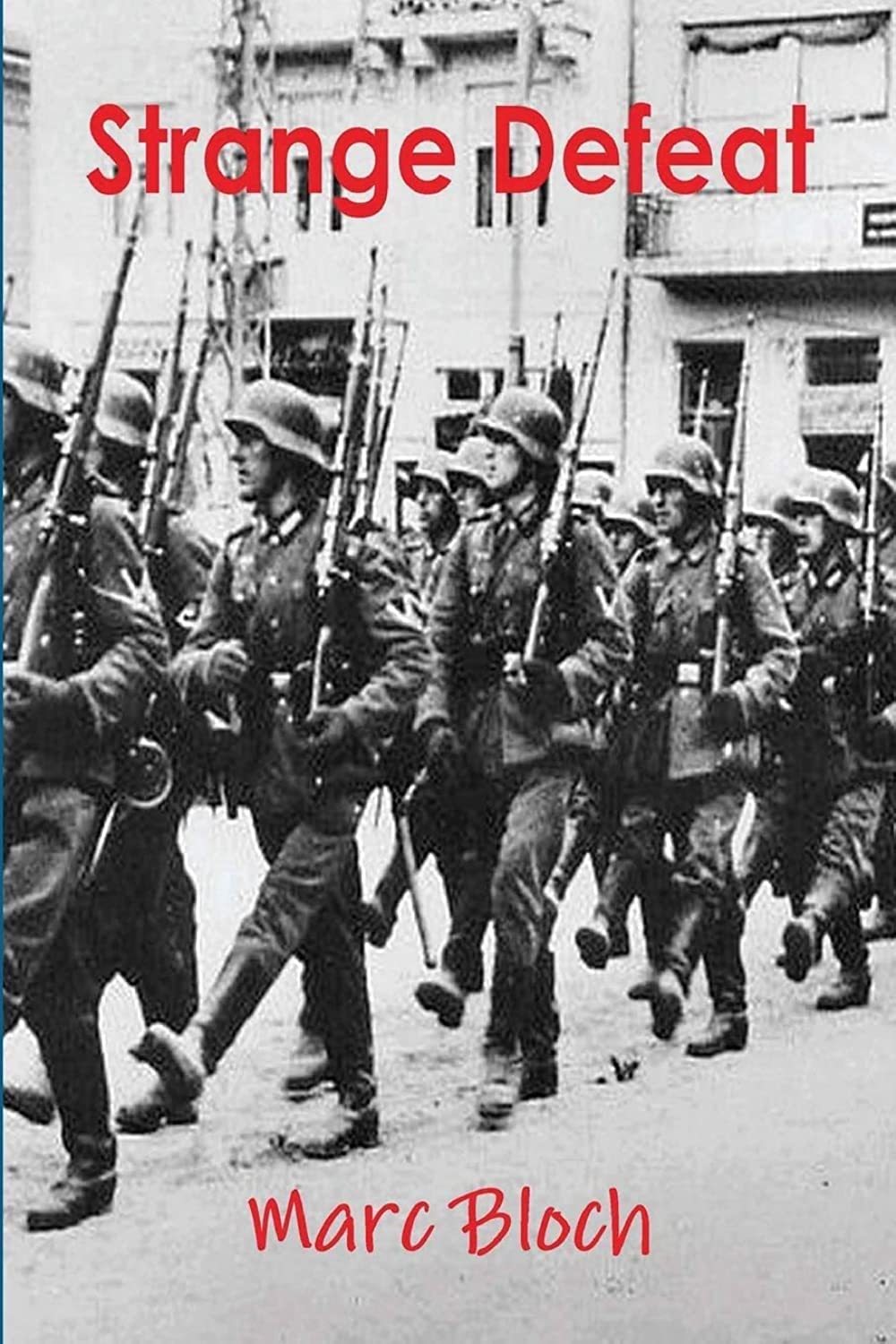
STRANGE DEFEAT
by Marc Bloch
A renowned historian and Resistance fighter – later executed by the Nazis – analyzes at first hand why France fell in 1940. Marc Bloch wrote Strange Defeat during the three months following the fall of France, after he returned home from military service. In the midst of his anguish, he nevertheless “brought to his study of the crisis all the critical faculty and all the penetrating analysis of a first-rate historian” (Christian Science Monitor). Bloch takes a close look at the military failures he witnessed, examining why France was unable to respond to attack quickly and effectively. He gives a personal account of the battle of France, followed by a biting analysis of the generation between the wars. His harsh conclusion is that the immediate cause of the disaster was the utter incompetence of the High Command, but his analysis ranges broadly, appraising all the factors, social as well as military, which since 1870 had undermined French national solidarity.
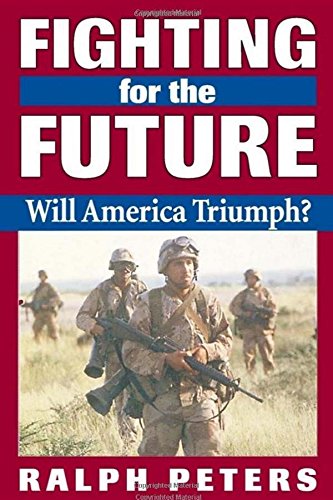
FIGHTING FOR THE FUTURE
by Ralph Peters
Highly acclaimed military strategist and writer Ralph Peters challenges America’s defense establishment and national leadership with startling insights and no-holds-barred criticism. His radical assessment of the future of conflict and the kinds of enemies we will face has already excited international controversy and influenced policy. Peters identifies a “new warrior class” and a new culture of conflict that could undo America on the battlefields of the future, as seen in the events of September 11, 2001. He broadly reinterprets the meaning of strategy. His writing—tough, yet elegant—makes dramatic new ideas accessible to the general reader, as well as to businessmen, diplomats, and soldiers. Will America Win? Yes, but only if her leaders open their minds to the new and dangerous international environment left in the wake of the Cold War.
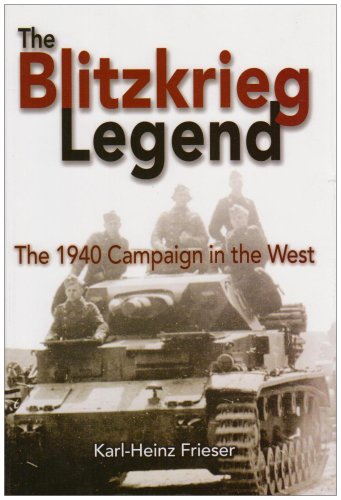
THE BLITZKREIG LEGEND
by Karl-Heinz Frieser
For the first time in English, is an illuminating new German perspective on the decisive Blitzkrieg campaign of 1940. Karl-Heinz Frieser’s account provides the definitive explanation for Germany’s startling success and the equally surprising and rapid military collapse of France and Britain on the European continent. In a little over a month, Germany decisively defeated the Allies in battle, a task that had not been achieved in four years of brutal fighting during World War I. First published in 1995 as the official German history of the 1940 campaign in the west, the book goes beyond standard explanations to show that German victory was not inevitable and French defeat was not preordained. Contrary to the usual accounts of the campaign, Frieser illustrates that the military systems of both Germany and France were solid and that their campaign planning was sound. The key to victory or defeat, he argues, was the execution of operational plans – both preplanned and ad hoc – amid the eternal Clausewitzian combat factors of friction and the fog of war. Frieser shows why on the eve of the campaign the British and French leaders had good cause to be confident and why many German generals were understandably concerned that disaster was looming for them. This study explodes many of the myths concerning German Blitzkrieg warfare and the planning for the 1940 campaign.